
Feeling unusually thirsty lately? Going to the bathroom more often? Or feeling exhausted even after getting enough rest? These changes can be easy to dismiss, but sometimes they may be warning signs of diabetes. Diabetes can develop gradually, particularly type 2 diabetes, and some people may have few or no noticeable symptoms at first.
Knowing the early signs of diabetes can help you recognise when something feels different and seek medical advice at the right time. You must visit the expert diabetes care in Bhubaneswar.
What Happens When Your Blood Sugar Is Too High?
Diabetes occurs when your blood glucose, or blood sugar, is too high. This happens when the body does not make enough insulin, does not use insulin effectively, or both. Over time, uncontrolled high blood sugar can affect different parts of the body, including the heart, kidneys, eyes and nerves.
1. You’re Urinating More Frequently
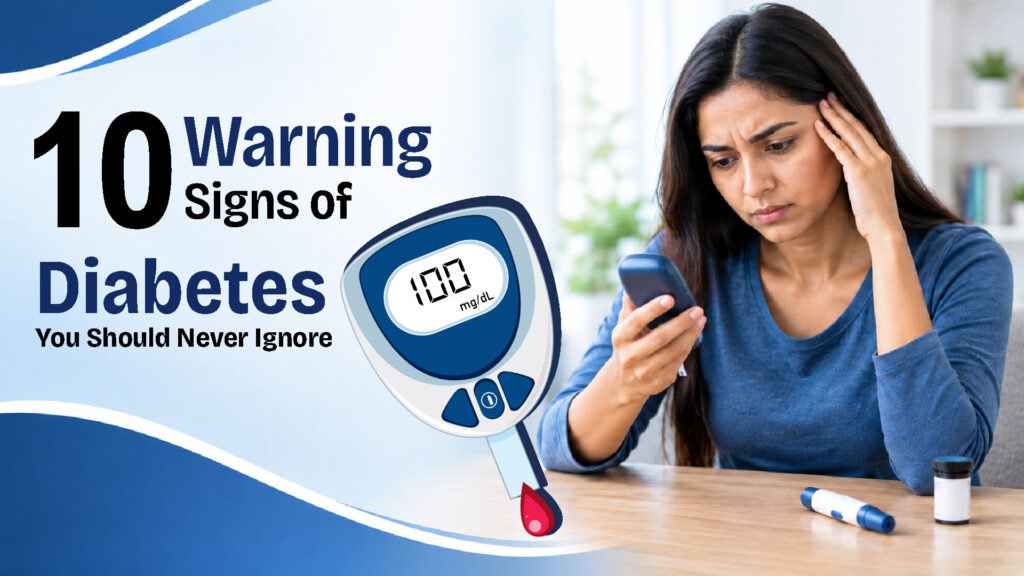
Here are 10 diabetes symptoms worth paying attention to.
When blood glucose becomes too high, the kidneys try to remove excess glucose through urine. As a result, you may find yourself going to the bathroom more frequently, including during the night.
2. You Feel Thirsty All the Time
Frequent urination can lead to fluid loss, leaving you unusually thirsty. If you constantly need water despite drinking enough, it may be one of the signs of high blood sugar.
3. You’re Hungrier Than Usual
Do you feel hungry soon after eating? When glucose is not being used effectively for energy, you may experience increased hunger even when you are eating normally.
4. You’re Losing Weight Without Trying
Unexpected weight loss can occur when the body starts using fat and muscle for energy because it cannot use glucose effectively. Unexplained weight loss should always be discussed with a healthcare professional.
5. You Feel Tired Most of the Time
Everyone gets tired, but persistent fatigue despite adequate rest deserves attention. When your cells cannot use glucose efficiently for energy, you may feel weak or exhausted.
6. Your Vision Becomes Blurry
Changes in blood glucose can affect fluid levels in the tissues of the eyes, which may temporarily cause blurred vision. Persistent or sudden vision changes should be medically evaluated.
7. Cuts and Wounds Take Longer to Heal
Have you noticed that a small cut seems to take unusually long to heal? Over time, diabetes can affect circulation and nerves, which may contribute to slower wound healing.
8. You Experience Frequent Infections
Repeated skin, urinary tract or fungal infections can sometimes occur in people with diabetes. High glucose levels may create conditions that make certain infections more likely.
9. You Feel Tingling or Numbness
Tingling, burning or numbness in the feet or hands may be associated with nerve damage caused by prolonged high blood glucose. This is more commonly associated with diabetes that has been present for some time.
10. You Notice Darkened Patches of Skin
Dark, thick or velvety skin, particularly around the neck, armpits or groin, can be associated with insulin resistance. This condition, called acanthosis nigricans, may occur in people with prediabetes or type 2 diabetes.
Can Young Adults Develop Diabetes Too?
Yes. Diabetes is not limited to older adults. Diabetes symptoms in young adults can include increased thirst, frequent urination, fatigue, unexplained weight changes and blurred vision.
Family history, overweight or obesity, physical inactivity and certain health conditions can increase the risk of type 2 diabetes. Type 1 diabetes can also develop in children, teenagers and adults.
If you recognise these symptoms, don’t diagnose yourself based on symptoms alone. Blood tests are needed to determine whether you have diabetes or prediabetes.
Why Early Diabetes Detection Matters
Diabetes is more common than many people realise, and a person can have elevated blood sugar before obvious symptoms appear. Data from the ICMR-INDIAB study, which covered more than 1.13 lakh people across 30 Indian states and Union Territories, reported a diabetes prevalence of 9.6%.
What makes early detection particularly important is that prolonged high blood sugar can gradually affect different organs and increase the risk of complications involving the heart, kidneys, eyes and nerves.
That is why recognising the early signs of diabetes, getting your blood sugar tested when appropriate, and seeking timely medical guidance can make a meaningful difference. If you have risk factors or recurring symptoms, don’t wait for them to become severe before getting evaluated.
Get Expert Diabetes Care at Novus Multispeciality Clinic
At Novus Multispeciality Clinic, patients can access specialised care for diabetes and other endocrine conditions. From evaluation and diagnosis to personalised diabetes management, the focus is on understanding each patient’s individual health needs.
Dr Satish Kumar Samal, Specialist in diabetes, provides expert care for diabetes and related metabolic and hormonal concerns. If you’re searching for the best diabetes doctor in Bhubaneswar or need blood sugar treatment in Bhubaneswar, Novus provides professional guidance, regular monitoring and personalised treatment under one roof.
Conclusion
Recognising the warning signs of diabetes early can help you take action before uncontrolled blood sugar begins affecting your long-term health. Frequent thirst, urination, fatigue, unexplained weight changes or slow-healing wounds should not simply be ignored.
If you have noticed these symptoms or are concerned about your blood sugar, consult the specialists at Novus Multispeciality Clinic, Bhubaneswar for proper evaluation and personalised care.